






Freeze Warning Issued! Your Survival Guide to Sudden Frost, Plunging Temperatures & Plant Protection
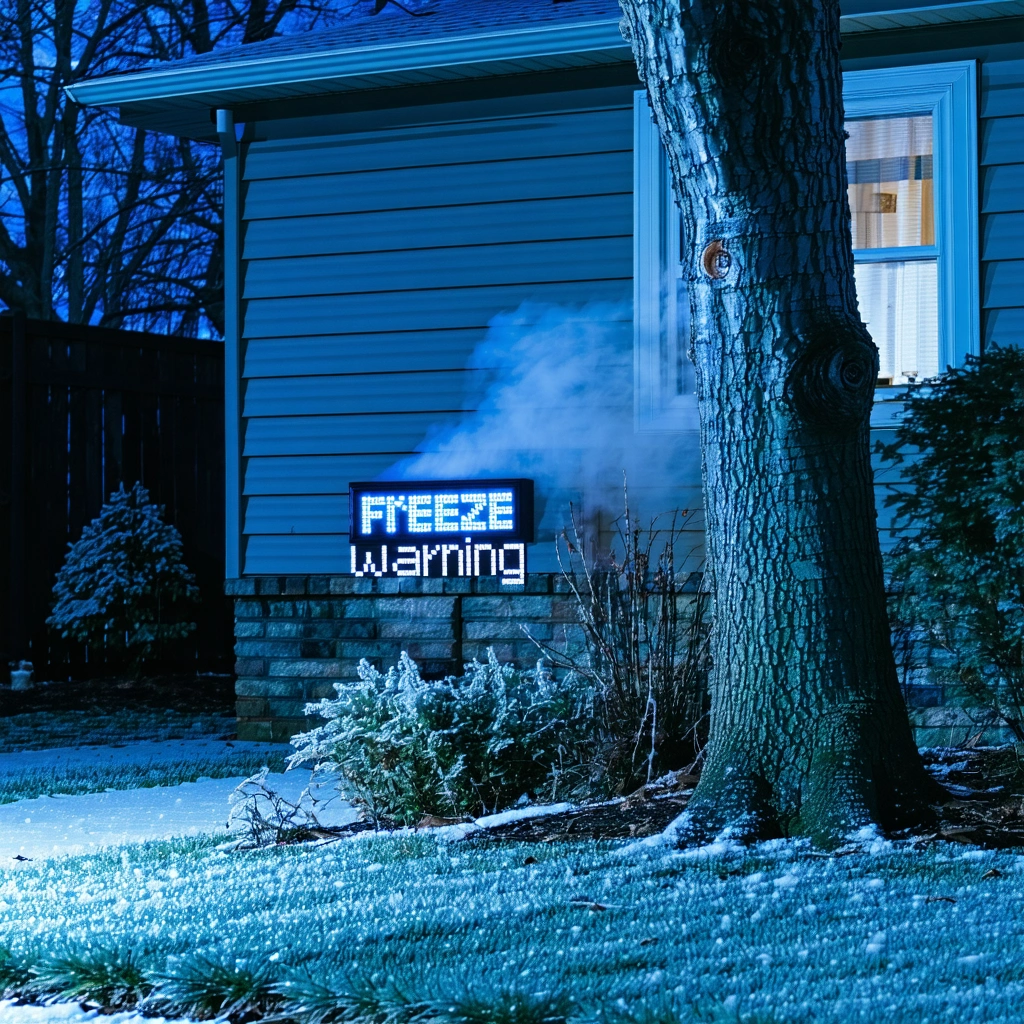
Freeze warning alerts are lighting up weather maps across the U.S. this week, signaling plunging temperatures and a real risk for your gardens, water pipes, and morning commute. Are you at risk? Here’s what a freeze warning means, which areas are affected, and what you can do now to protect your home and plants before the mercury dips below freezing.
What Does a Freeze Warning Mean?
A freeze warning is issued by the National Weather Service (NWS) when temperatures are forecast to fall to 32°F (0°C) or lower for a significant period. This level of cold poses a threat to sensitive vegetation, forming frost and potentially bursting outdoor plumbing. Unlike a frost advisory, a freeze warning signals more severe, widespread, and longer-lasting cold—potentially damaging to agriculture and landscaping. Learn more about frost vs. freeze warnings.
- Frost Advisory: Light frost expected, mostly affecting outdoor plants.
- Freeze Warning: Widespread subfreezing temperatures, greater risk to crops, gardens, and water pipes.
Where Are Freeze Warnings Happening Right Now?
This week has seen freeze warnings and frost advisories sweep across much of the northern U.S. Nighttime temperatures have already dipped into the 20s and low 30s in parts of Idaho, Eastern Oregon, Utah, Colorado, New York, Maine, North Dakota, and Minnesota—stretching into the Northeast and hitting areas as far south as Alabama and Georgia.
States and Regions Affected
- Eastern Idaho: Subfreezing temps and even snow reported.
- Central & Eastern Oregon: Lows near 25°F; warnings extended as dry, sunny weather follows.
- Southern Utah: Freeze warnings as cold front sweeps through.
- New York: Multiple counties under alert as temperatures plunge to the upper 20s.
- Maine & New Hampshire: Ongoing frost and freeze warnings issued statewide.
- North Carolina & Georgia: Metro Atlanta and Northwest Georgia facing freeze risk after warm spells.
- Alabama: North Alabama shivers under freeze warnings for multiple nights.
- Western Colorado: Sudden chill affecting crops and outdoor pipes.
See the Current U.S. Freeze Warning Map
Want to know if your county or state is affected tonight? Check the latest freeze warning map here and get live updates from the National Weather Service.
Why Are Freeze Warnings Issued?
Freeze warnings are issued to protect lives, property, and food supply. Sub-freezing temperatures can:
- Damage or destroy sensitive crops and home gardens
- Cause pipes and outdoor plumbing to burst
- Endanger outdoor pets and some livestock
- Make roads icy and travel hazardous in some regions
Typical Timing of Freeze Warnings
Freeze warnings usually strike during overnight and early morning hours when radiational cooling is strongest. The first freeze often marks the end of the local growing season and a critical moment for gardeners and farmers.
What Should You Do During a Freeze Warning?
Whether you’re a gardener, homeowner, or just planning your commute, here are essential steps to protect what matters most during a freeze warning:
For Plants and Gardens
- Bring sensitive potted plants indoors
- Cover shrubs and garden beds with cloth, burlap, or frost blankets (avoid plastic covers directly on leaves)
- Water soil lightly in the afternoon—moist soil holds heat longer
- Harvest any remaining tender crops or flowers before sundown
For Pipes, Faucets, and Outdoor Plumbing
- Insulate exposed pipes and outdoor faucets
- Shut off irrigation systems and drain water lines
- Open cabinet doors under kitchen/bathroom sinks against outer walls to let warm air reach pipes
For Pets, Animals, and General Safety
- Bring pets inside; provide warm shelter for outdoor animals
- Check on vulnerable neighbors—especially the elderly and young children
- Be alert for icy roads in the morning. Drive carefully!
Real-Time Freeze Warning News & Community Impact
Recent freeze warnings have sparked calls to action in communities across the U.S.:
- In Eastern Idaho, residents were told: “Cover your plants! Freeze warning issued for much of eastern Idaho.”
- In Central Oregon, overnight lows led to alerts: “Central Oregon under a freeze warning Monday – temperatures at a low of 25.”
- Parts of North Dakota and Colorado are warning residents to “insulate plumbing and watch for icy spots on highways.”
- In New York, “Freeze warnings and frost advisories issued for parts of NY: Here’s where and when.”
Frequently Asked Questions on Freeze Warnings
How is a freeze warning different from a frost advisory?
A freeze warning is more severe; it indicates that temperatures will stay below freezing for hours, endangering crops and plumbing. A frost advisory is for lighter, patchy frost conditions.
How long do freeze warnings usually last?
Most freeze warnings are issued for 6–12 hours—usually overnight into the next morning, but some linger into late morning depending on cloud cover and wind.
When does the growing season officially end?
Many regions mark the date of the first freeze warning as the end of the local outdoor growing season. Historic freeze dates are key for gardeners.
Stay Informed: Where to Get the Latest Freeze Warnings
- National Weather Service: Live freeze warning updates and advisories
- Newsweek Freeze Warning Map: Visualize active warnings nationwide
- Local TV & radio stations: First Alert and BREAKING Weather Days
- Alert apps: Enable push notifications to act at a moment’s notice
Conclusion: Heed the Freeze Warning—Protect What You Love
As a major freeze warning sweeps across the nation, the cold isn’t just uncomfortable—it’s a risk to your garden, your home, and even your safety. From East Idaho to southern Utah, New York to Georgia, millions face plunging temperatures. Stay weather-aware, cover those plants, prep your plumbing, and help your neighbors. Freeze warnings come fast and hit hard—so act now to stay cozy, safe, and prepared for whatever this chilly season brings!
For ongoing updates and regional specifics, keep a close eye on the freeze warning alerts in your area and don’t wait until frost bites.