


Cancer Care Revolution: Breakthroughs, Compassion, and Winning the Fight
Cancer care is rapidly evolving, bringing fresh hope to millions. From innovative treatments to community-driven support, the landscape is reimagining how we treat, support, and empower cancer patients and their loved ones. In this comprehensive guide, explore the latest cancer care developments, groundbreaking technologies, inspiring patient experiences, and essential resources for families.
The New Era of Cancer Care
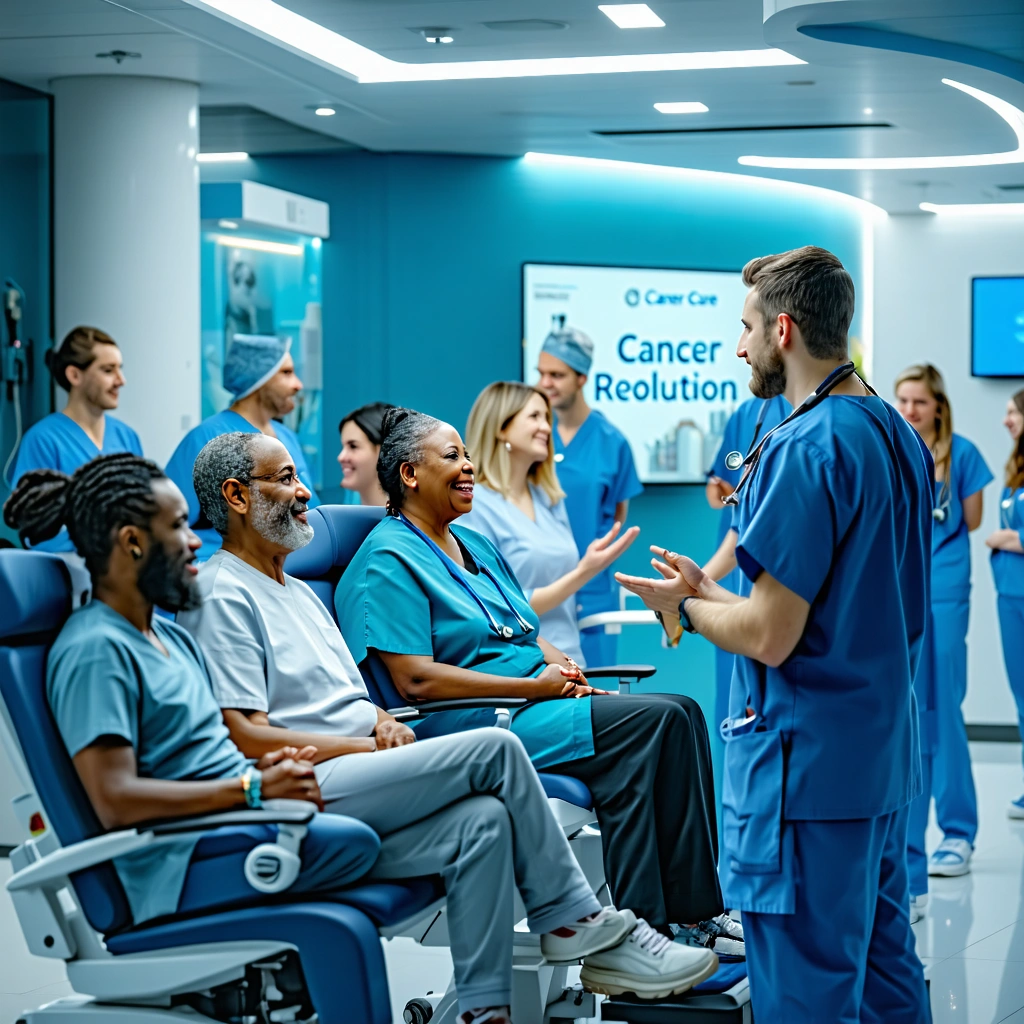
Today, cancer care is defined not just by its medical progress, but by a holistic approach that values individual needs, mental health, and social support. Let’s discover what’s driving this change:
- Precision medicine & immunotherapy: Unprecedented personalized treatments are increasing survival rates and quality of life. (source)
- Digital transformation: Guideline navigators like NCCN’s tools offer advanced digital features supporting providers and patients. (source)
- Patient-centered care: The power of compassion is celebrated, as seen with nurses earning recognition for their caring approach. (source)
- Continued advocacy: Laws like New York’s new regulations grant more dignity—allowing breast cancer patients options for retaining their hair during treatment. (source)
Breakthrough Treatments Shaping Cancer Care
Medical research is unlocking more targeted, effective cancer therapies, changing outcomes for different cancers. Here’s what’s making headlines:
- Circadian medicine: Administering treatments based on our internal body clocks may significantly improve results. (source)
- Radiation as an alternative: For early-stage lung cancer, studies suggest radiation can match surgery in effectiveness. (source)
- Minimally invasive options: FDA-approved ProSense cryoablation now offers a new choice for low-risk breast cancer patients over 70. (source)
- Robotic and AI-assisted surgery: Specialized centers, like Tennessee Oncology, are implementing advanced MedTech for complex cancers. (source)
- Precision medicine in real-world cancer care: Innovations in genomics and molecular profiling enable tailored therapies with higher success rates. (source)
Real Stories that Highlight the Human Side of Cancer Care
Behind every breakthrough are personal journeys that inspire and inform. Consider these moving examples:
- Paul Arthurs of Oasis: The famous guitarist paused his reunion tour for prostate cancer treatment, shining a public light on men’s health. (source)
- 40 Years of Breast Cancer Care: Activists like Dorothy Gibbons share decades of advocacy, reminding us why community efforts matter. (source)
- From high-tech to heart: Holzer Health’s national recognition demonstrates how compassionate, high-quality care transforms lives throughout a region. (source)
Tackling Barriers in Cancer Care Access
Accessibility and equality remain major concerns in cancer care. Here’s what is being done:
- Community initiatives: Organizations in Haiti and Kenya are redefining local cancer screening and treatment, especially for women. (source, source)
- Disparities in breast cancer: Local government and healthcare systems tackle gaps in early detection and treatment for Black women and underserved populations. (source, source)
- Telemedicine advances: New centers and outreach help rural communities gain access to top-tier cancer expertise remotely. (source)
How to Support a Loved One Through Cancer Care
The cancer journey affects not just the patients, but their families and friends. Here’s how you can make a difference:
- Offer support with empathy—listen more than you advise; accept the patient’s choices. (source)
- Connect them to reliable resources like rapid diagnostic services and second opinions for confidence in their treatment plan. (source)
- Help with practical needs—driving to appointments, meal prepping, or organizing financial support through community events. (source)
Cancer Care: Looking Ahead
With robust funding, sophisticated research, and public awareness, the best days for cancer care are within reach:
- Drug shortages remain a challenge: Experts press for policy changes to ensure patients always have access to necessary medications. (source)
- Digital health expansion: AI-powered diagnostic checks, genetic testing guidelines, and navigation apps promise more personalized pathways. (source)
- Prevention and awareness: Statewide campaigns and public events keep prevention strategies top of mind. (source)
Frequently Asked Questions about Cancer Care
What is the first step after a cancer diagnosis?
Seek a multidisciplinary care team and consider getting a second opinion to confirm your treatment plan. (source, source)
How can cancer care be made more compassionate?
Providers are integrating emotional support, peer counseling, and community outreach to address the invisible burdens of cancer on families. (source)
What new technologies are being used in cancer care?
Robotic surgeries, circadian rhythm-based therapy scheduling, AI diagnostics, and minimally invasive procedures are changing outcomes. (source, source)
Conclusion: The Future of Cancer Care Is Bright
Cancer care is more promising than ever. With personalized treatment, digital support tools, compassionate communities, and ongoing research, the journey through diagnosis and recovery is improving every day. For those facing cancer, and for their loved ones, hope is on the horizon. Stay informed, advocate for your needs, and remember: expert cancer care is more accessible and powerful than ever before.