

Angela Merkel Ukraine Controversy: Did Merkel Spark a European Storm Over Ukraine?
Angela Merkel Ukraine—three words now at the heart of a fierce debate gripping European politics. In late 2024, the legacy of the former German Chancellor exploded back into headlines as Merkel made explosive claims about the causes of Russia’s invasion of Ukraine. But what exactly did Merkel say, and why are Poland, the Baltic States, and much of the continent so furious? Here’s the complete story, rooted in the latest, most-relevant news coverage.
Why Is Angela Merkel in the Spotlight Again?
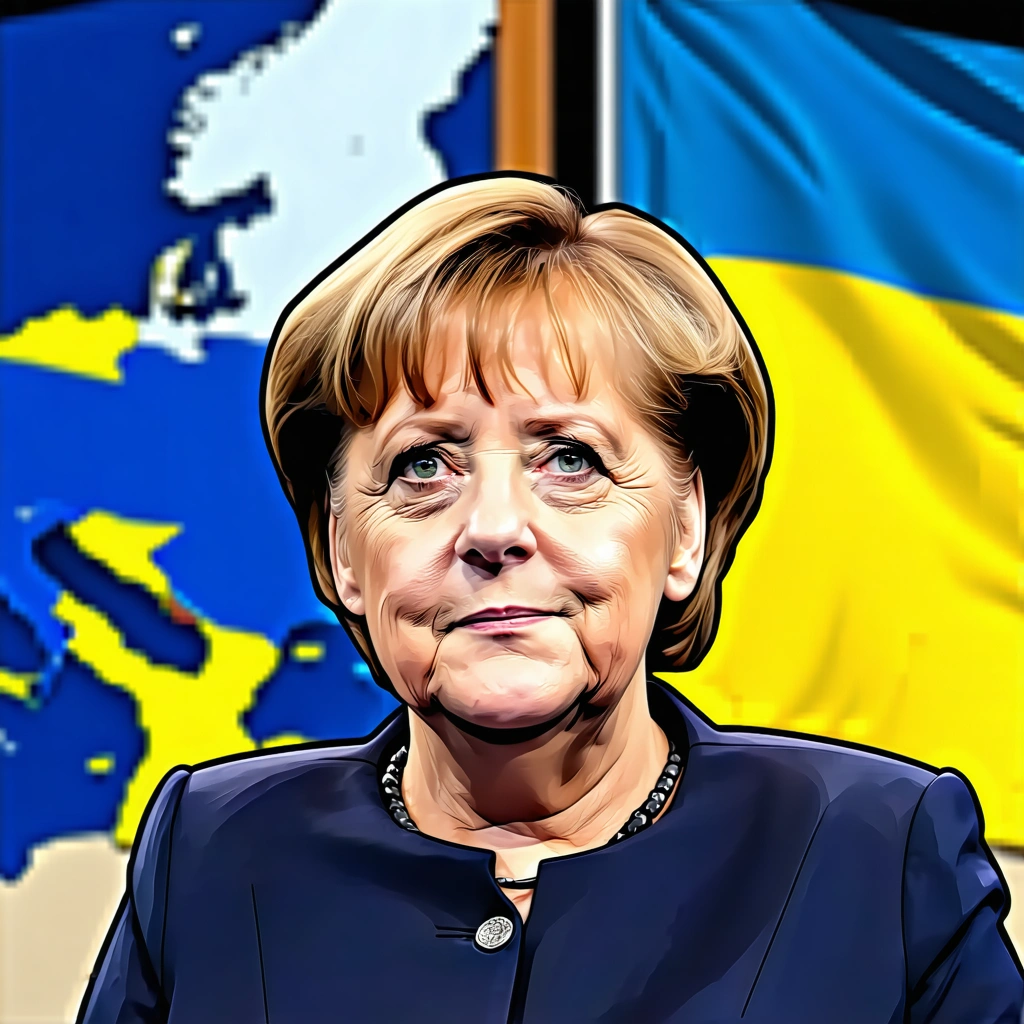
Angela Merkel, chancellor of Germany from 2005 to 2021, shaped much of Europe’s policy landscape—especially around Russia and Ukraine. Since leaving office, she’s largely kept a low profile. But with release of her long-awaited memoir and a series of candid interviews, Merkel has reignited fierce debate about her decisions, alliances, and opinions regarding the Ukraine war.
- Merkel’s memoir offers new insight into her policy with Russia and handling of Vladimir Putin (see source).
- She’s now publicly responding to critics and clarifying her past stances on Ukraine’s NATO membership, the Minsk agreements, and her relationship with Russia (see source).
- She has faced direct blame for emboldening Russia, but in turn, recently shifted some responsibility onto other European leaders (see source).
Merkel’s Claims: Who Shares the Blame for the Ukraine War?
The spark for the current uproar: Merkel’s insinuation that Poland and the Baltic States (Estonia, Latvia, Lithuania) share responsibility for the breakdown in EU-Russia relations and, ultimately, Russia’s invasion of Ukraine.
- In a shocking twist, Merkel suggested their opposition to renewed EU-Russia talks in 2021 hindered diplomatic solutions (see source).
- She claimed that the pandemic and what she regarded as an “ignorant attitude” from these nations helped fuel tensions that preceded Russia’s 2022 invasion (see source).
These remarks shocked the Baltic States and Poland, with leaders in Estonia calling it “classic gaslighting” and “a new and very low point in European discourse” (see source).
What Did Merkel Actually Say?
In interviews and her book, Merkel emphasized:
- The Baltic States and Poland repeatedly blocked EU-Russia dialogue initiatives, especially in 2021.
- This lack of engagement heightened Moscow’s insecurity, accelerating conflict.
- Germany and France, she insisted, pushed for dialogue, but were thwarted by Eastern European states’ hardline approach.
How Did Poland and the Baltics Respond?
Reactions from Eastern Europe were instant and scathing:
- Estonia’s government: “Merkel’s remarks distort reality and ignore Russia’s clear intent.” (source)
- Poland: “We rejected dangerous appeasement of Russia, not peace.” (source)
- Opposition figures in Germany and much of the EU said Merkel was “deflecting blame from herself” and misunderstanding how Russian aggression was years in the making.
This debate goes beyond semantics; it strikes at the heart of how Europe understands its divisions—and failures—over Ukraine.
Did Merkel’s Decisions Really Shape the Ukraine War?
Merkel’s legacy on Ukraine is deeply intertwined with two major controversies:
1. Blocking Ukraine’s NATO Aspirations
At the 2008 Bucharest summit, Merkel led opposition against granting Ukraine (and Georgia) NATO Membership Action Plans. France agreed. The fear: provoking Russia. Critics now say this emboldened the Kremlin, signaling Ukraine would remain vulnerable (see source), a point Ukraine’s president Zelenskyy himself referenced post-2022 invasion.
2. The Minsk Agreements
Between 2014 and 2015, Merkel helped engineer the Minsk accords, designed to halt fighting in eastern Ukraine. While initially celebrated, the deals failed—critics claim they bought Russia time to prepare a larger assault (see source).
3. Russian Gas and Nord Stream
Merkel championed the Nord Stream pipelines, deepening Germany’s reliance on Russian gas even as warnings mounted about energy weaponization. After the invasion, many saw this policy as a grave error (source).
Angela Merkel’s Own Defense: What Does She Regret?
Despite the storm, Merkel fiercely defends her record:
- She rejects claims she’s a “scapegoat” for the war—insisting Germany did what it could, with the tools and consensus available (source).
- She reiterates her belief that NATO expansion for Ukraine, at that time, would have been seen as a “declaration of war” by Putin (source).
- She calls Russia’s 2022 invasion “barbaric,” and emphasizes Germany’s efforts to mediate until the end (source).
- However, she admits lacking the political strength for high-stakes Ukraine diplomacy before the invasion (source).
Why Does the Merkel-Ukraine Debate Matter Now?
This isn’t just about past errors. Merkel’s story is a mirror reflecting Europe’s unfinished arguments over:
- NATO’s future and unity against Russian aggression
- Energy security and the perils of Russian dependency
- The risks of appeasement vs. the costs of confrontation
Her willingness to challenge the new European consensus has forced a re-examination of old fault lines, just as the Ukraine war drags on and security risks rise.
What’s Next for Merkel—and Europe?
- Merkel’s memoir and interviews ensure her decisions—and her critics—remain center stage in Europe’s heated Ukraine debate (source).
- The lasting consequences of her Russia policy, both positive and negative, will keep shaping discussions about peace, security, and unity on the continent.
- Poland and the Baltics are doubling down on calls for NATO expansion and military support for Ukraine—taking the opposite lesson from Merkel’s tenure.
Conclusion: Angela Merkel, Ukraine, and a Divided Europe
The storm over Angela Merkel Ukraine is far from over. Merkel’s legacy will continue to divide, inspire, and provoke. What’s certain: no one can ignore her impact, or the urgent debates she’s reignited. As Europe seeks a way forward, the lessons of Merkel—right or wrong—will haunt the continent’s security decisions for years to come.