








Nobel Prize Literature 2025 SHOCK: László Krasznahorkai’s Visionary Works Stun the World
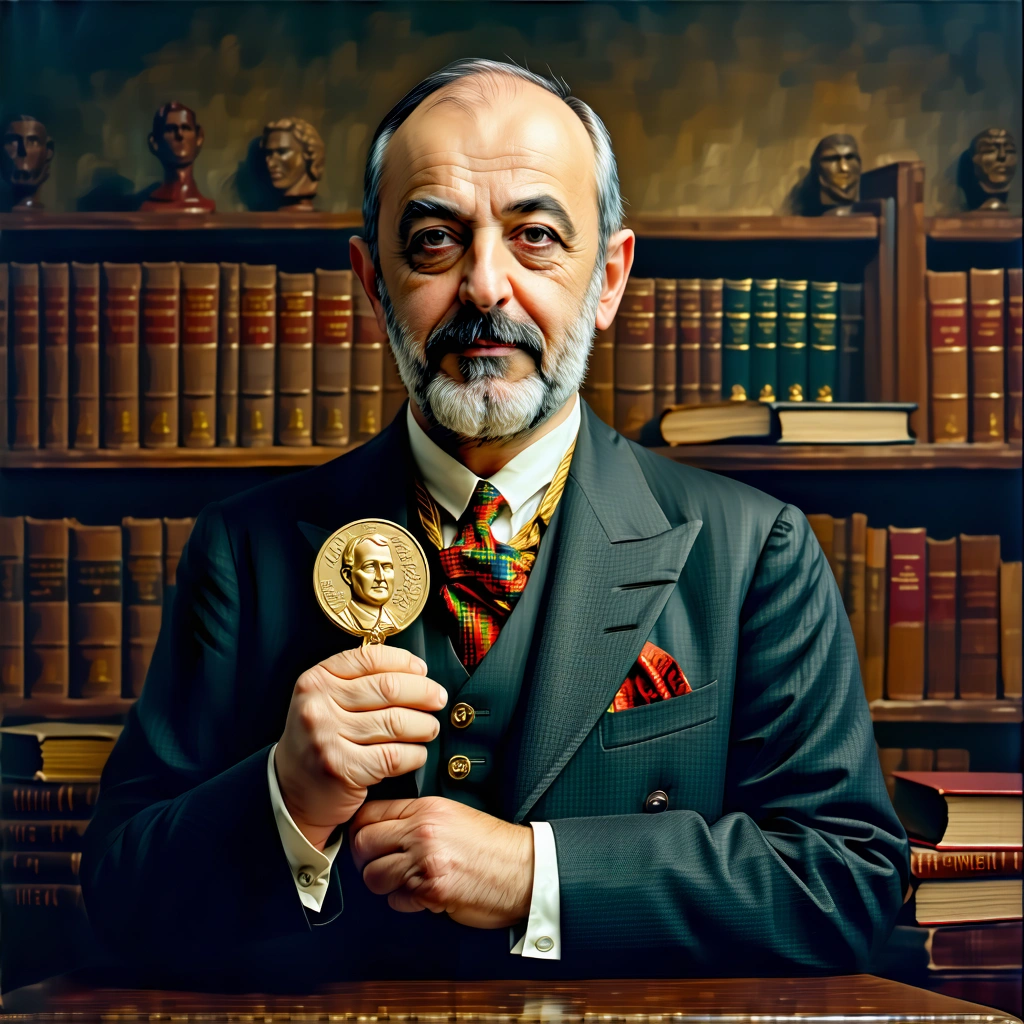
The nobel prize literature 2025 has gripped the attention of book lovers and news outlets worldwide by crowning Hungary’s own László Krasznahorkai as this year’s laureate. Known for his complex narratives and poetic vision, Krasznahorkai’s victory signals a shift in global literary taste, elevating writers tackling existential themes and experimental form (France24, Euronews).
Who is László Krasznahorkai? The Enigmatic Winner of 2025
László Krasznahorkai, now an international literary icon, stands at the frontier of modern European literature. Often labeled as Hungary’s “master of apocalypse,” his works blend haunting realism with abstract, philosophical undercurrents. Growing up in communist Hungary, Krasznahorkai’s background is as compelling as his prose; his father even hid Jewish roots during an era of turmoil (Times of Israel).
- Notable for: Long, unbroken sentences and a hypnotic narrative style
- Main themes: Apocalypse, existential dread, transformation, human endurance
- Accolades: International Booker Prize, and now, Nobel Prize in Literature 2025
Why Did Krasznahorkai Win the Nobel Prize Literature 2025?
The Nobel Prize in Literature 2025 was awarded to Krasznahorkai for his “compelling and visionary oeuvre,” according to the Swedish Academy (Bloomberg). His novels are celebrated for demolishing narrative conventions, blurring the lines between East and West, fiction and philosophy. In a year where bookmakers favored both Krasznahorkai and Chinese novelist Can Xue (The Guardian), his win cements the dominance of literary innovation on the world stage.
- Rewarded for complex, demanding novels that reshape the landscape of literature
- Recognized as a voice straddling the intersections of cultural, political, and artistic thought
- Lauded for works that ask urgent questions about civilization’s fate
László Krasznahorkai: Career, Impact, and Vision
Krasznahorkai’s journey began in Gyula, Hungary, in 1954. Burrowing into the psyche of post-Soviet Europe, he quickly established himself as a revolutionary voice with a distinct style—often writing sentences that stretch for entire pages but never lose their rhythm or punch. His literary canon invites readers to confront chaos, hope, and the specter of apocalypse as metaphors for modern existence (WSJ, NDTV).
- Education: Studied law and literature in Budapest
- Breakthrough: 1985’s Satantango, a cult classic adapted into a seven-hour film
- Prolific output, including The Melancholy of Resistance, War and War, and Destruction and Sorrow Beneath the Heavens
Krasznahorkai’s Signature Works to Explore
If you’re new to László Krasznahorkai, his Nobel win may inspire you to discover his “visionary oeuvre.” Here’s where to start (Independent, The National):
- Satantango (1985): His landmark debut—a harrowing tale of betrayal and decay in rural Hungary.
- The Melancholy of Resistance: A haunting, allegorical vision of social collapse, adapted into Béla Tarr’s legendary film Werckmeister Harmonies.
- War and War: A profound meditation on history and the individual, stretching narrative conventions to their limit.
- Destruction and Sorrow Beneath the Heavens: Chronicling his journey through China, examining the ruins and hopes of civilization.
- Herscht 07769: His latest novel, already the subject of major critical debate (New York Times).
Quotes: Critics and Academy Explain the Choice
The Swedish Academy calls Krasznahorkai’s prose “visionary and apocalyptic,” reflecting the tumultuous times in which he writes. Major outlets hail him as a daring innovator: “Hungary’s László Krasznahorkai wins the Nobel literature prize for his pensive oeuvre straddling East and West.” (Euronews)
- “His books require patience, but reward the reader with insight and awe.” – NDTV
- “A literary explorer of civilization’s anxiety and ecstasy.” – Times of Israel
Krasznahorkai’s Influence: Beyond the Page
The Nobel Prize in Literature 2025 propels Krasznahorkai into the firmament of 21st-century authors shaping the future of storytelling. His reach extends beyond bookshelves—into cinema, philosophy, even the global conversation about how language can push the limits of human understanding. His triumph is celebrated across Hungary, but his work resonates for anyone wrestling with the chaos and beauty of modern life (RTE, Firstpost).
How Does the Nobel Prize Literature 2025 Shape Literary Trends?
This year’s award sets a clear signal: literary daring is back in the spotlight. Bookmakers had Krasznahorkai and Can Xue as joint favorites, but the Hungarian’s win marks a renewed embrace of experimental voices (OLBG). Expect increased interest in European fiction, philosophical literature, and post-Soviet narratives.
- Spotlight on: Literary experimentation
- Anticipation: Broader translation focus for Eastern European writers
- Impact: Surge in interest for difficult, rewarding novels that challenge the status quo
Frequently Asked Questions about the Nobel Prize Literature 2025
Who were the front-runners for the Nobel Prize in Literature 2025?
Can Xue and László Krasznahorkai were widely tipped as favorites, with Krasznahorkai ultimately securing the honor (The Guardian).
What led to Krasznahorkai’s selection?
His profound, innovative storytelling, global outlook, and mastery over existential themes captured the attention of the Swedish Academy and the global literary community.
Is this the first Nobel win for Hungary in literature?
No, but Krasznahorkai joins a small cadre of Hungarian authors to have received the world’s top literary honor (BBC).
Where to Start: Reading László Krasznahorkai
If you’re enticed by his Nobel triumph, consider starting with these approachable works:
- Satantango — Surreal, engrossing, and the ultimate rite of passage for new readers.
- War and War — For those seeking philosophical adventure.
- Destruction and Sorrow Beneath the Heavens — Krasznahorkai’s literary tour through loss and legacy in contemporary China.
Conclusion: Nobel Prize Literature 2025 Signals a Literary Renaissance
The nobel prize literature 2025 marks a milestone for world literature, as László Krasznahorkai’s demanding, dazzling novels command the global stage. His visionary style challenges us to rethink not only fiction but the world itself. As readers and critics celebrate this bold choice, Krasznahorkai’s impact will echo across generations and continents. If there’s one lesson from this year’s Nobel Prize, it’s that literature—at its most ambitious—remains essential, transformative, and powerfully alive.