









Is Your Protein Safe? Stunning Lead Findings in Popular Protein Powders
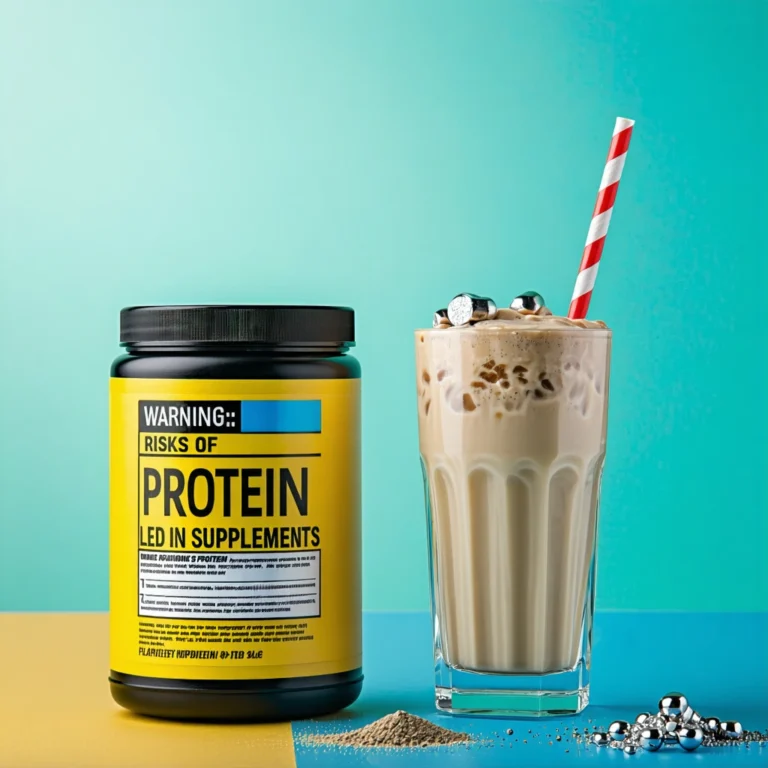
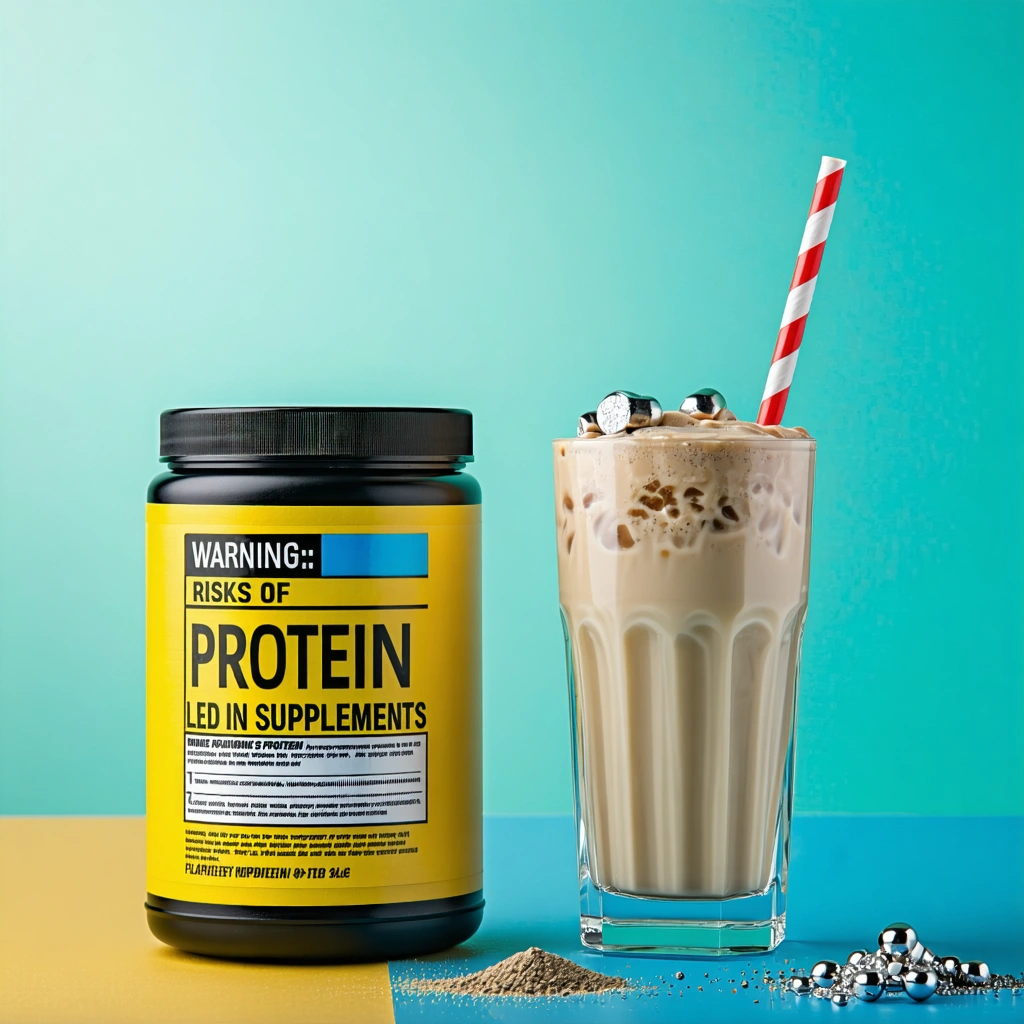
Are you relying on protein shakes or powders to meet your fitness and nutrition goals? Recent findings are causing many health-conscious consumers to take a closer look at what’s really inside their favorite protein supplements. According to a Consumer Reports investigation, some popular protein products contain concerning levels of lead — an alarming discovery that could impact your health and wellness routine.
Why Protein Powders Are So Popular
Protein is an essential nutrient, playing a crucial role in muscle repair, weight management, and overall wellness. Protein shakes are often touted as a convenient, efficient way to boost daily intake, whether you’re an athlete, a busy professional, or someone looking to supplement your diet. But with growing usage comes increased scrutiny into the safety and quality of these widely-used products.
Consumer Reports’ Groundbreaking Investigation
Consumer Reports recently tested a range of protein powders and shakes, analyzing them for contaminants. Shockingly, their research found that several popular protein powders contained high levels of lead—a heavy metal known for its toxicity and health risks.
- Lead Exposure Risks: Lead is particularly dangerous because it can build up in the body, causing issues such as kidney damage, cognitive impairment, and in extreme cases, even miscarriage or developmental problems in children.
- What Brands Were Tested: While the specific brands are detailed in the Consumer Reports study, the concern spans a variety of mainstream and smaller-label protein shakes alike.
How Does Lead Get into Protein Shakes?
The presence of lead and other heavy metals in protein powders can be traced back to a few key sources:
- Ingredient Sourcing: Plant-based proteins (such as soy or pea) can absorb metals from contaminated soil, while animal-based powders may concentrate toxins from production feed.
- Manufacturing: The methods used to process, flavor, and package protein shakes can introduce contaminants if not properly regulated.
Health Implications: What Do the Experts Say?
Health authorities highlight that even low levels of lead can be harmful with consistent exposure. For protein shake users, especially those with daily intake habits, the risks could accumulate over time.
- Short-Term Effects: Fatigue, abdominal pain, headaches.
- Long-Term Exposure: Persistent exposure may lead to organ damage and neurological issues.
What Should Protein Shake Users Do Now?
This news doesn’t mean you should throw out your current stash immediately, but it does demand more diligence in your product choices:
- Research Brands: Look for brands that transparently publish contaminant testing results.
- Rotate Protein Sources: Alternate between different types of protein to avoid continuous exposure from a single source.
- Watch for Certifications: Choose protein powders certified by recognized third-party testing organizations.
- Consult Healthcare Professionals: Especially if you rely on protein shakes for medical or dietary reasons.
The Future of Protein Safety: Consumer Advocacy and Industry Response
Following these findings, consumers are demanding stricter testing and greater transparency from the protein supplement industry. Brands are under pressure to provide safety certifications and clearer information about their manufacturing practices. The trend is clear: as the demand for protein grows, so does the need for accountability.
Conclusion: Stay Protein-Savvy and Prioritize Your Health
The recent Consumer Reports revelations about lead in protein powders underscore the importance of informed choices. By focusing on ingredient sourcing, brand reputation, and scientific transparency, you can continue to enjoy the benefits of protein shakes safely. Make sure your protein supports your goals—not jeopardizes your health. Stay informed and put your well-being first as you shop for your next protein product.